
The Hilo Series, Part 3 of 4
By Rosalinda Cruz, Founder of The Asor Collective
There is a sound that defines this post.
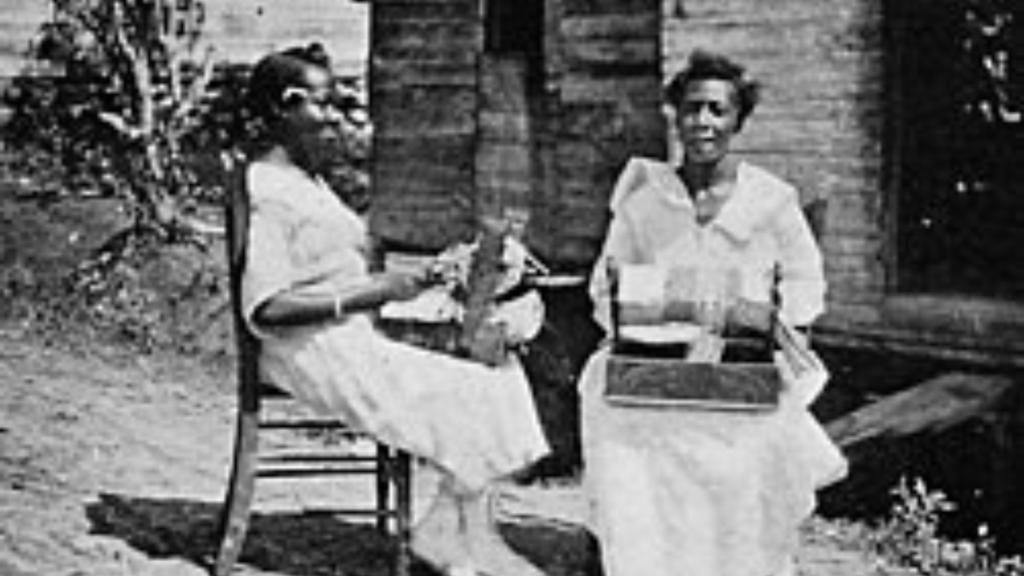
It is the click of wooden bobbins meeting each other as threads weave into lace. Nellie Vera Sánchez heard that sound for the first time when she was seven years old, sitting with her mother and the other weavers of Moca, Puerto Rico, in the 1930s. She spent the rest of her life making it.
In 2021, the National Endowment for the Arts named her a National Heritage Fellow, one of the highest honors the United States gives to traditional artists. She was 95 years old.
This is Part 3 of The Hilo series, a series on the Puerto Rican textile legacy the sustainable fashion conversation keeps leaving out. Part 1 opened with the personal story behind why I went looking for this history. Part 2 covered the Taíno people who cultivated cotton before colonization and the Puerto Rican scientist who saved an entire nation’s cotton industry. This post belongs to the craftswomen.
A Little World, Woven Thread by Thread
Mundillo is a handmade bobbin lace tradition. The Smithsonian’s National Museum of American History holds examples of it in its permanent collection. The word mundillo means “little world,” a reference to the cylindrical pillow, called a telar, on which the lacemaker works. Wooden bobbins, called bolillos, are wound with thread and manipulated around pins to build a pattern, crossing and weaving in a process that can require anywhere from two dozen to several hundred bobbins depending on the design.
A single inch of mundillo can take more than an hour to produce.
The tradition came to Puerto Rico through Spanish colonial influence, but Puerto Rican women made it entirely their own. Moca, a small town on the northwestern corner of the island, became known as La Capital del Mundillo. According to scholar Ellen Fernández-Sacco, whose research is published in Women and the Material Culture of Needlework and Textiles (Ashgate, 2009), mundillo production was deeply community-based from the beginning: women taught women, across generations and across households, building networks of production and mutual support that stretched across the island and into the diaspora.
This was not a hobby. Prior to World War II, mundillo provided income for many families, supplementing wages when men traveled off-island for work. Women ran the craft. Women ran the economy it created. In 2021, the government of the Commonwealth of Puerto Rico officially established the first Sunday in May as Día Nacional del Mundillo Puertorriqueño, a national day to celebrate, preserve, and promote the tradition.
In 2023, mundillera Rosa Elena Egipciaco received a National Endowment for the Arts Fellowship for her work preserving and teaching the craft. The institution is still being recognized at the highest levels.
Knowledge Passed Hand to Hand
What moves me most about mundillo is not the lace itself, beautiful as it is. It is the way the knowledge moved.
Nellie Vera Sánchez learned from her mother, Manuela Sánchez. Her mother likely learned from hers. The Museo del Mundillo in Moca, the museum that houses the largest collection of mundillo patterns in Puerto Rico, was founded by Benito Hernández Vale in honor of his mother, Julia Vale Méndez, a lacemaker her whole life. His sisters made lace. His mission was to make sure the knowledge didn’t end with them.
This is the shape of matrilineal transmission. Not in the genetic sense I described in Part 1, though that thread runs through here too. In the practical, embodied, hands-passing-knowledge-to-hands sense. The same structure that carried Taíno ancestry forward in the blood also carried craft knowledge forward in the work. The women held it. The women passed it on.
That is what preservation actually looks like. Not an institution making a decision. A person sitting down next to someone younger and saying: watch how I do this.
Still Being Worn in Courtrooms Today
One detail I keep returning to: Puerto Rican judges still wear mundillo lace on their judicial robes. The lace runs from wrist to elbow, handwoven by the mundilleras of Moca, sewn onto the sleeves as a mark of cultural identity and institutional pride. The Chief Justice wears the most elaborate version. Each set is unique, made by hand, different from every other.
While other countries moved on from handmade lace centuries ago, Puerto Rico kept it in its highest courts. That is not sentimentality. That is a statement about what a society chooses to value and carry forward.
What Gets Lost When Knowledge Has Nowhere to Go
In the latter half of the 20th century, at its lowest point, only a few hundred people in Puerto Rico still practiced mundillo. Industrialization brought cheaper machine-made lace. The craft nearly disappeared.
It didn’t disappear because people refused to let it. The tejedoras organized. They lobbied for a museum. They taught workshops. They showed up at festivals. And today, thousands of lacemakers practice mundillo across the island and its diaspora.
The parallel to sustainable fashion is not subtle. When knowledge has nowhere to go, when there are no structures to hold it, it dies. When communities decide it is worth preserving, when they build the institutions and pass down the skills, it survives. The sustainable fashion movement talks constantly about building systems that last. The mundilleras of Moca have been doing that for generations, with thread and wooden bobbins and the willingness to sit down next to someone and teach.
Part 4: The Organizers — the Puerto Rican garment workers who reshaped the American labor movement — coming next.
Rosalinda Cruz is the founder of The Asor Collective, a sustainable fashion advisory and education practice based in North Carolina. She is currently developing Hilo*, a documentary exploring the ancestral textile traditions of Puerto Rico.*
Sources referenced:
- Smithsonian National Museum of American History, Cuello de Encaje collection on mundillo
- National Endowment for the Arts, National Heritage Fellowship: Nellie Vera Sánchez (2021)
- National Endowment for the Arts Fellowship: Rosa Elena Egipciaco (2023)
- Ellen Fernández-Sacco, “Mundillo and Identity: The Revival and Transformation of Handmade Lace in Puerto Rico,” in Women and the Material Culture of Needlework and Textiles, 1750–1950 (Ashgate, 2009)
- Wikipedia, “Mundillo”
- Commonwealth of Puerto Rico, Día Nacional del Mundillo Puertorriqueño (established 2021)